Heritage Pedagogy · 2026 · Suzhou
Learning as Apprentices
以学徒身份学习:苏州林派花道
Summary · 摘要
Four team members begin Lin-school floral study with Zhang Yanya, documenting how a master teaches.
四位团队成员随张艳亚院长学习林派花道,记录传承者的教学方法。
Full text (Chinese) · 中文全文
SUZHOU
苏州行记
Four of us take up the art.
四人启艺,一段学习正在开始
The Way of Flowers
Lin School · Chinese Floral Art
林派华道
XENNI Heritage Youth Programme
齐间非遗青年 · 田野记录
Suzhou 苏州
—— PROLOGUE ——
Most people, hearing the word ikebana, think first of Japan. Fewer know that the practice begins here — with flowers set before the Buddha, in the temples of the Southern dynasties.
说起花道,多数人先想到日本。少有人知道,它的原点在中国——南北朝的寺院里,那一瓶供在佛前的花。
So we went to Suzhou,
to find where it started.
所以我们去了苏州,去找它开始的地方
We came to study the floral art of the Lin School — flowers, incense, tea, and a lineage that is still handed down from one pair of hands to the next.
我们来学林派花道。花、香、茶,还有一套至今仍靠一双手传给另一双手的师承。
HERITAGE
A NATIONAL HERITAGE
国家级非遗
In 2008, traditional Chinese floral arrangement entered the national list of intangible cultural heritage. The craft is older than the list by more than a thousand years.
2008 年,「传统插花」列入国家级非物质文化遗产名录。而这门手艺,比这份名录早了一千多年。
共道牡丹时,相随买花去
贵贱无常价,酬值看花数
唐 · 白居易《买花》
By the Tang, the whole city went out together to buy peonies, at prices that shifted bloom by bloom. Flowers were not yet an art. They were already a daily life.
到了唐代,满城人相约去买牡丹,价钱随花朵多寡而变。那时花还不是「道」,但已经是日常。
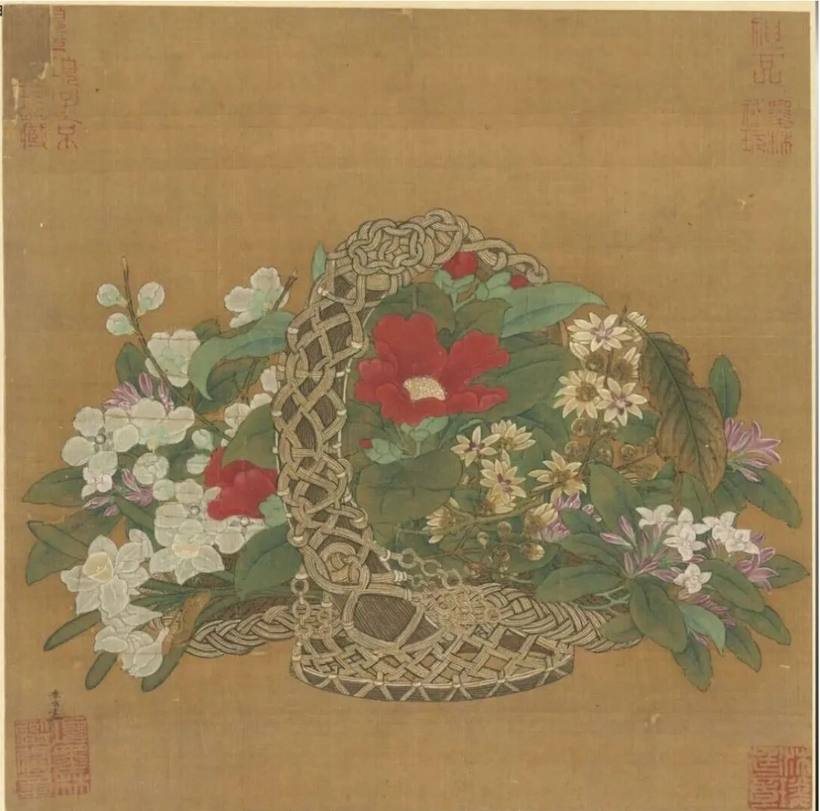
宋 · 李嵩《花篮图》· 台北故宫博物院藏
Li Song, Flower Basket, Southern Song
One vase, one flower,
one world.
一 瓶,一 花,一 境
Take nature as your teacher.
师 法 自 然,天 人 合 一
· · ·
THE SCHOOL
THE LIN SCHOOL
林派华道
The school takes its name from a single character: 林 — two trees standing together, a grove. A thing that keeps growing.
名字取自一个「林」字——双木成林,生生不息。
Founded by Lin Xiaozhen, it is built on two forms: flowers offered before the Buddha, and the palace vase arrangement. Its stated purpose is to bring the aesthetics of Chinese floral art back to China.
由林晓真老师创立,以佛前供花与宫廷瓶花为核心。立意很明确:把中国花道美学,传回中国。
Two vessels, two names — 瓶供 for the vase, 盛供 for the basin. Three branches form the skeleton: 本、自、所, with 流 moving between them. And one technique kept from the Five Dynasties: building from the back forward.
两种器,两个名字:瓶花称「瓶供」,盘花称「盛供」。三枝为骨架——本、自、所,流枝行于其间。还有一手自五代传下的技艺:从后往前插作。
INSTRUCTOR
OUR TEACHER
本期导师
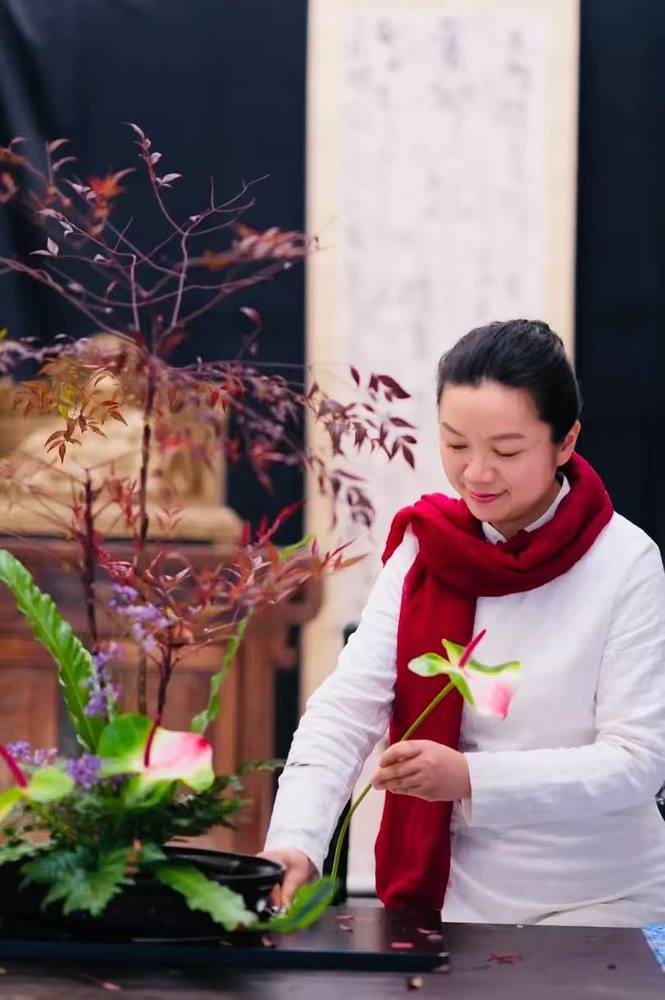
Zhang Yanya
张艳亚
Dean, Suzhou Branch
Lin School of Chinese Floral Art
Certified Instructor & Examiner
Chinese Floral Art Association for Heritage
林派花道苏州分院院长 · 教授
中国花道传承协会认证导师 · 金牌讲师
中国花道传承人
Seven years of study before she was permitted to teach. Since then she has built the Suzhou branch — teaching, examining, certifying, and carrying flowers to temples.
研修七年,才被允许授课。此后一路把苏州分院做起来——授课、考核、发证,也带着花去寺院供奉。
CREDENTIALS
履历与授证
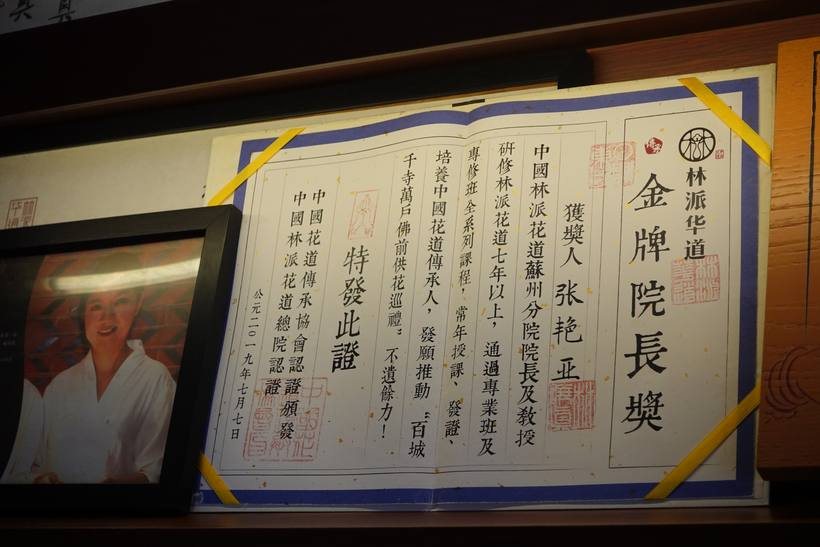
金牌院长奖 · 林派花道总院
Gold Medal Dean Award, central academy
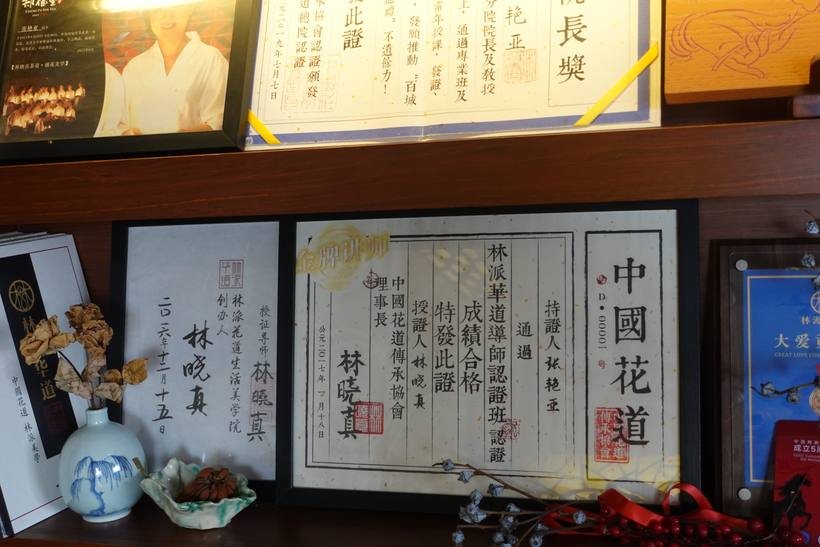
导师认证 · 中国花道传承协会
Instructor certification issued by the association
The Chinese Floral Art Association for Heritage examines, certifies and issues; the Lin School’s central academy sits above the branches; each document carries the association’s seal, the examiner’s name, and a serial number.
中国花道传承协会负责考核、认证与颁发;林派花道总院统辖各分院;每一张证书都有协会用印、授证人具名与编号。
Zhang Yanya holds instructor certification from the association and the Gold Medal Dean Award from the central academy — the standing that permits her to teach, to examine and to certify in Suzhou.
张艳亚老师持中国花道传承协会认证导师资格,并获总院金牌院长奖——这是她在苏州授课、考核与发证的依据。
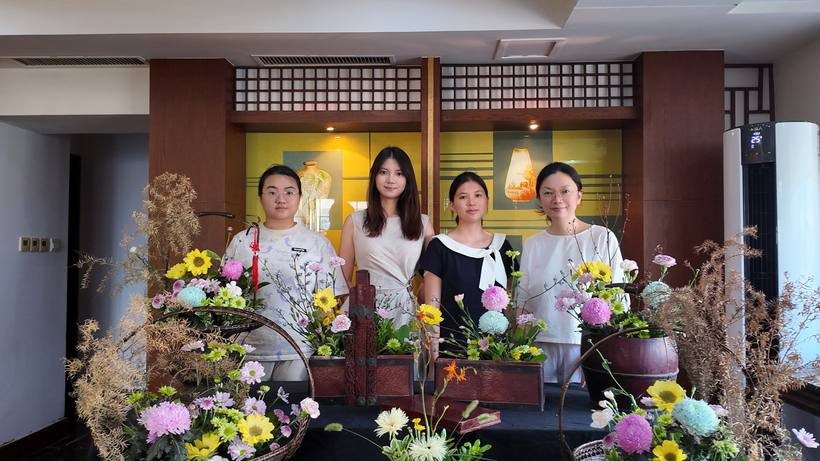
与 张 院 长 · with Dean Zhang, Suzhou
· · ·
LINEAGE
THE MASTER LINE
师承制度
A craft like this does not survive on goodwill alone. It survives on a structure — an association that sets the standard, an academy that holds the method, branches that teach it, and students who take it up.
这样一门手艺,光靠情怀是留不住的。它靠的是一套结构:协会定标准,总院守方法,分院授课,学员接手。
ASSOCIATION & ACADEMY · 协 会 与 总 院
中国花道传承协会
林派花道总院
创始人 林晓真 · 定标准、守方法、发证
↓
SUZHOU BRANCH · 苏 州 分 院
院长 张 艳 亚
Zhang Yanya · 授课、考核、发证
↓
STUDENTS · 学 员
齐间非遗青年
XENNI Heritage Youth · 入门学习
Formal recognition as an intangible heritage inheritor works the same way: a documented line of transmission, years of accumulated work, review by provincial experts. Nothing about it is quick, and nothing about it is informal.
非遗传承人的认定也是同一个逻辑:要有可追溯的传承谱系,要有长期积累的作品与影响,还要经省级专家评审。这件事既快不了,也松不得。
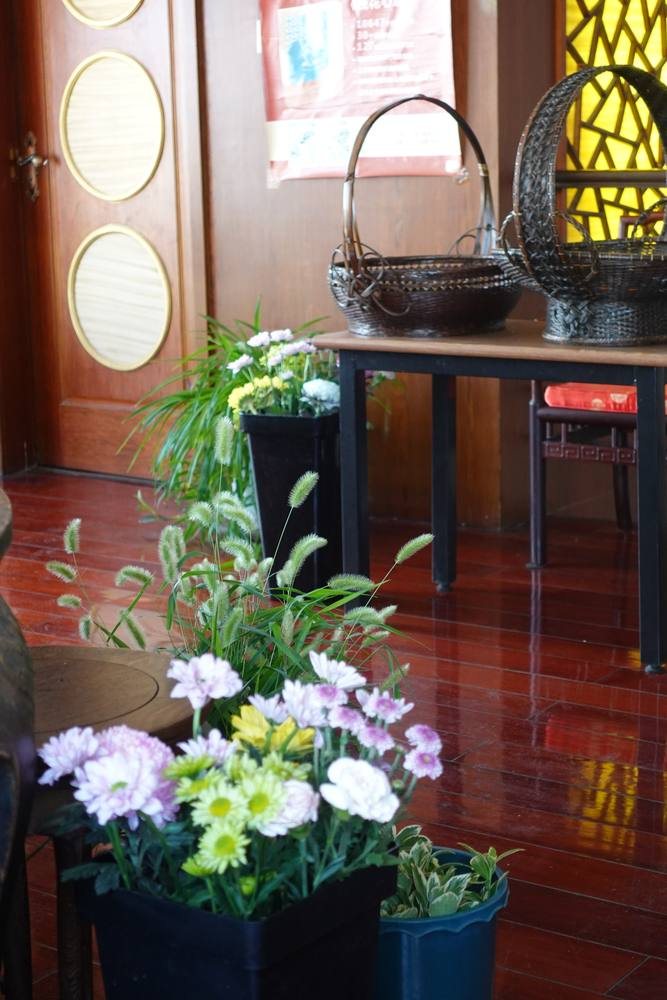
苏 州 分 院 · the hall, before class
I
THE ORIGIN
花道溯源
Offering flowers stands first among the six offerings in Buddhist practice. Records of arranged flowers appear as early as the Southern and Northern dynasties; under the Sui and Tang, flowers before the Buddha became widespread — vase and basin arrangements alike, with standards strict enough to constitute the first flower exhibitions. From there the practice travelled east.
花供养,为佛教六供养之首。南北朝已有插花记载;隋唐佛教盛行,佛前供花普及,瓶花与盘花皆有严格标准,形成了最早的花展。此后,这一脉才东传日本。
In the Five Dynasties, scholars withdrew from a collapsing court and arranging loosened into something freer — including the technique of building from the back forward, which the Lin School still keeps. In the Song and Ming it became one of the four arts of daily life, with manuals to match: the Manual of Vase Flowers, the History of Vases.
五代政局动荡,文人隐居,插花转向不拘一格,创出「从后往前插作」的技艺,林派至今保留这一手反面插作。宋明之后,插花位列生活四艺,《瓶花谱》《瓶史》相继问世,技法与理论都成熟了。
II
THE HEART
借花观心
In this school the first thing you study is not technique. It is attention. Ears turned inward, eyes turned inward, the mind gathered back to where it started — an old Buddhist practice of listening, borrowed and applied to a bowl of flowers.
在林派,首修的不是技艺,是心。两耳内听,两眼内视,把心收归本性——借的是佛家「耳根圆通」的法门,用在一盆花上。
The teaching runs against the habit most of us arrive with. Stop measuring yourself against what others think; the resource you need is already here. Flowers are simply the instrument for noticing that.
这套讲法,和我们大多数人带来的习惯是反的。别再拿别人的眼光量自己,本自具足。花,只是让你看见这件事的工具。
“
We arrange flowers
to see the mind that arranges them.
借花观心,以花悟道。人与自然,本为一体。
— 林派华道 · Lin School
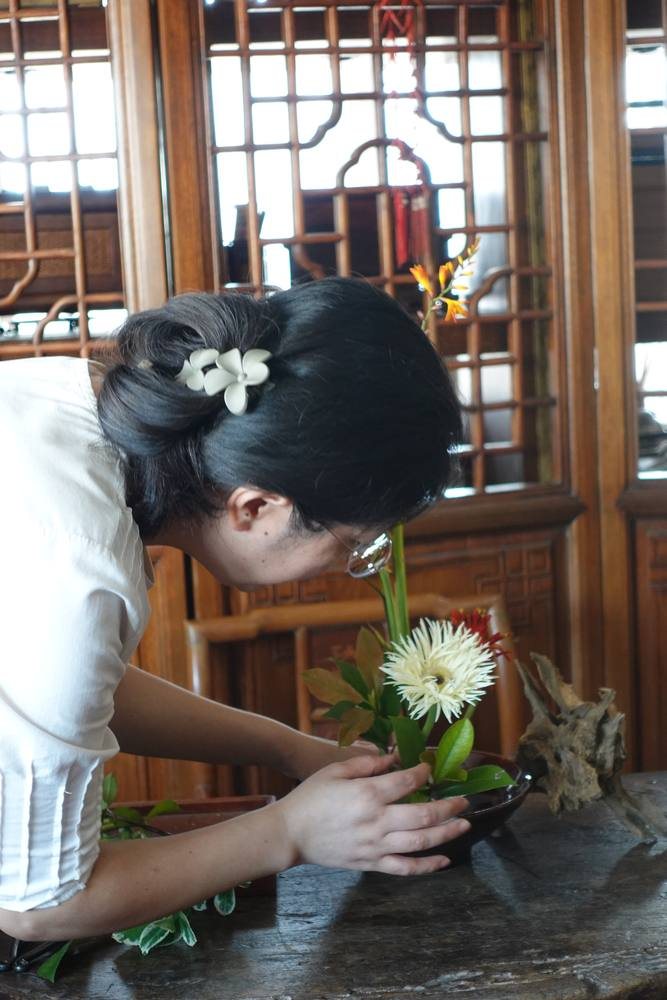
插 作 · the first attempt
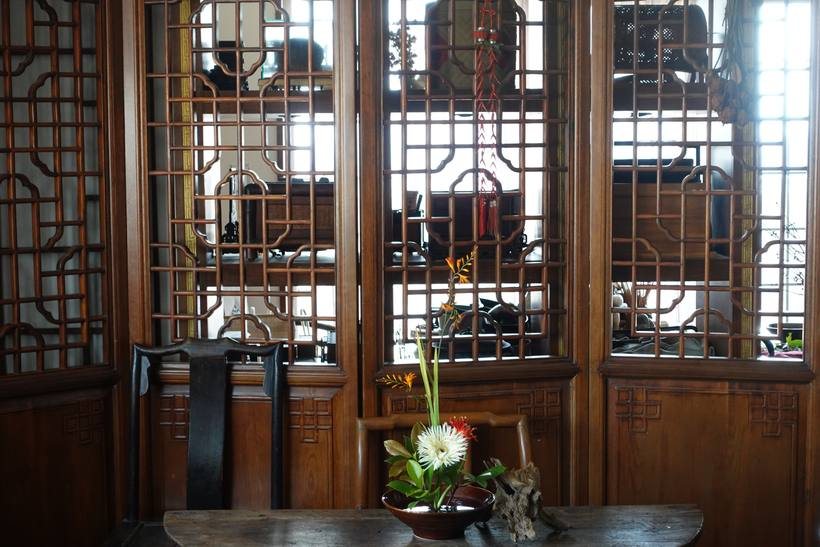
盛 供 · one vessel, one world
III
INCENSE & TEA
一席香茶
Between sessions, the table was reset for tea and agarwood. We learned to read the colour of the liquor before tasting it, and to adjust the steeping as the season turns dry.
课间,桌子重新摆过,换上茶与沉香。先看汤色,再入口;入秋渐燥,浓淡也随之调整。
It sounds like a digression. It is not. The same instruction runs through everything here: read the moment, then respond to it. That is the method — in a cup, and in a bowl of flowers.
听上去像题外话,其实不是。这里反复出现的是同一句:先读当下,再作回应。这就是方法——在一杯茶里,也在一盆花里。
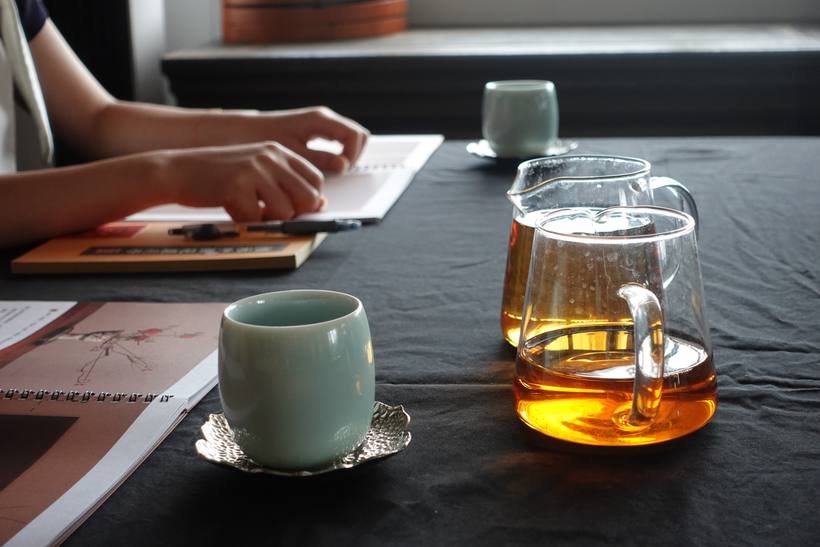
茶 席 · between sessions
· · ·
INITIATION
THE FIRST CLASS
开 课
Four of us have come to study the floral art of the Lin School. The vessels were set out, the branches cut to length, and the first lesson began — not with technique, but with attention.
我们四个人,来学林派花道。花器摆开,花材剪好,第一课就此开始——先修的不是技法,是心。
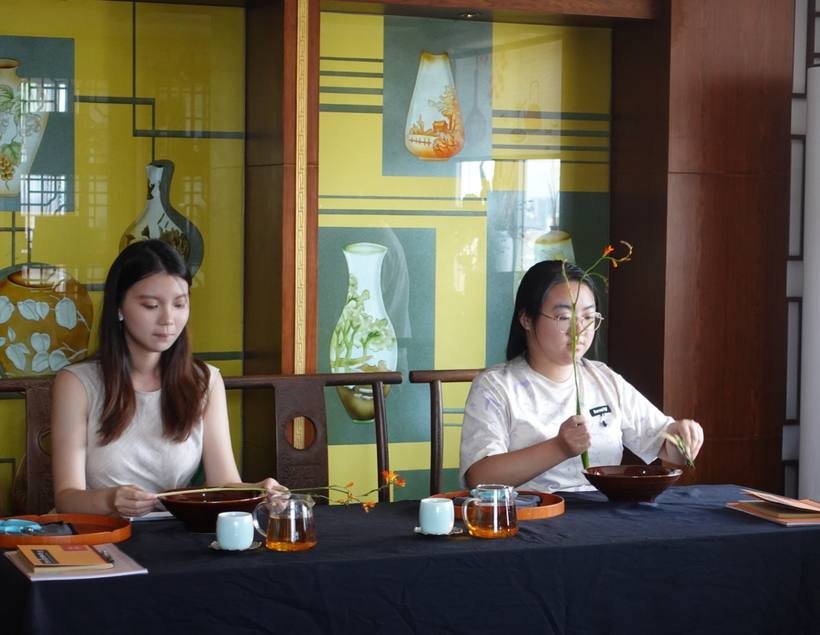
开 课 · the first lesson
· · ·
ABOUT
非遗 Culture Art Lab
Where Craft Meets Inquiry
Suzhou is one part of a longer programme. Learn with master craftspeople, run your own fieldwork, build a research project, and exhibit it. A substantive experience with the academic depth to strengthen a university application.
苏州只是其中一站。跟传承人学艺,做田野,做课题,办展览。一段有学术深度、能写进升学申请的真实经历。
ABOUT
About XENNI
关于齐间
XENNI is a youth-founded cultural venture incubated at Peking University. Starting from intangible heritage, we design immersive cultural learning and camps for young people growing up in international contexts — letting them learn culture through the body and the senses, in real cultural fieldwork.
齐间,是一支由青年发起、在北京大学孵化的文化创业团队。我们以非遗文化为切入口,面向在国际语境中成长的青少年与留学生群体,设计沉浸式的文化学习与营会——让他们用身体、用感受,去做一场真正的文化田野学习。
China holds one of the richest systems of intangible heritage and craft in the world, yet young people learn far too little of it. We work to bring these traditions the young people willing to come close — and to give those young people a cultural path that takes root and lasts a lifetime.
我们相信,中国拥有全世界最丰富的非遗与工艺体系,但年轻人学的还太少。我们想做的,是为这些珍贵的传承找到愿意走近它的年轻人,也为年轻人找到一条能扎根、能受益一生的文化路径。
Our wish is simple, and large —
that young people, in China and the world,
can find the roots of their lives.
我们的愿望很简单,也很大——
让中国青年、世界青年,都能找到他们生命的根。
EDITOR’S NOTE · 编 后 注
Field notes by the XENNI editorial team; classical paintings are used illustratively.
本文由齐间编辑部整理自苏州行记,古画为示意素材。
XENNI · 齐 间
United by Art · Fulfilled through People
齐于艺成于人
International Heritage Apprenticeship · Beijing / New York
国际非遗学徒体系 · 北京 / 纽约