Programmes / For schools
Cultural Curation & Contemporary Art
文化策展与当代艺术
A 16-week co-curricular programme in which students investigate living heritage and contemporary art, explore traditional materials and collaboratively plan an exhibition.
16 周课外项目:学生研究活态遗产与当代艺术,探索传统材料,并合作策划一场展览。
What students achieve · 学生的成果
From cultural knowledge to student-led creation
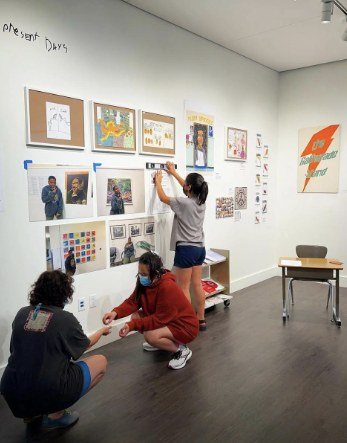
Students investigate cultural histories, work with practitioners, compare perspectives and develop their own curatorial responses. The programme concludes with a student-curated exhibition that brings together research, creative practice and intercultural understanding.
学生研究文化历史,与实践者一起工作,比较不同视角,并提出自己的策展回应。课程以一场学生策展的展览收尾,汇集研究、创作实践与跨文化理解。
Curriculum · 课程结构
Four modules over sixteen weeks
十六周,四个模块
One core framework, tailored to each school. The weekly allocation of each module is agreed with the school during planning.
同一套核心框架,按学校定制。各模块的周数分配在规划阶段与学校商定。
MODULE I
Discover & Question
发现与提问
Introduction to living heritage; cultural identity; observation; research questions; craft demonstration.
认识活态遗产;文化身份;观察;提出研究问题;技艺示范。
MODULE II
Research & Make
研究与制作
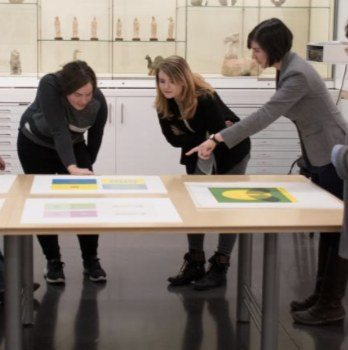
A textile or other heritage case study; practical workshops; practitioner interviews; ethics of documentation.
织物或其他非遗个案研究;实践工作坊;访谈实践者;记录伦理。
MODULE III
Compare & Curate
比较与策展
Cross-cultural inquiry; responsible digital and AI-assisted storytelling; exhibition theme and object interpretation.
跨文化探究;负责任的数字与 AI 辅助叙事;展览主题与展品诠释。
MODULE IV
Exhibit & Reflect
展示与反思
Group curation; labels and installation; school exhibition or presentation; reflective assessment.
小组策展;展签与布展;校内展览或展示;反思性评估。
Learning outcomes · 学习成果
What students learn
学生学到什么
Designed around observable student work rather than participation alone. Assessment rubrics are adapted to the school, grade level and agreed timetable.
围绕可观察的学生作品来设计,而不只看参与。评估量规根据学校、年级与课时调整。
Cultural literacy
文化素养
Use credible sources to explain a craft tradition, its makers, materials and contemporary context.
运用可靠资料,说明一项技艺传统、它的制作者、材料与当代语境。
Research & critical thinking
研究与批判性思维
Pose an inquiry question; test claims and source reliability; document decisions and revisions.
提出探究问题,检验论断与资料来源,记录决策与修改。
Creative practice
创作实践
Experiment with materials safely and produce a work informed by research and feedback.
安全地实验材料,完成一件以研究与反馈为依据的作品。
Collaboration
协作
Agree roles, meet shared milestones, critique constructively and contribute to a collective outcome.
商定分工,达成共同节点,建设性地互评,为集体成果作出贡献。
Communication
表达与沟通
Prepare exhibition interpretation, bilingual texts where appropriate, and a spoken presentation.
撰写展览诠释,视需要准备双语文本,完成口头展示。
Reflection
反思
Document process, challenges, ethical considerations and individual development in a portfolio.
在作品集中记录过程、挑战、伦理考量与个人成长。
Evidence of learning · 学习的证据
What each student produces
- Individual research reflection 个人研究反思
- Practical making portfolio 实践制作作品集
- Collaborative curatorial proposal 小组策展方案
- Bilingual exhibition label and final presentation 双语展签与最终展示
Assessed with school-agreed criteria: research quality, cultural sensitivity, creative process, collaboration and communication. Outcome descriptors can be aligned with IB, British, American or other school frameworks during planning.
按学校认可的标准评估:研究质量、文化敏感度、创作过程、协作与表达。规划阶段可与 IB、英式、美式等课程框架的成果描述对齐。
Framework alignment · 框架对齐
Informed by SDG Target 4.7 and UNESCO living heritage education
参照 SDG 4.7 与教科文组织活态遗产教育
The objectives draw on SDG Target 4.7 (global citizenship, appreciation of cultural diversity and culture’s contribution to sustainable development) and on UNESCO’s approach to living heritage, which connects communities, practitioners and learners.
学习目标参照 SDG 4.7,尤其是全球公民意识、对文化多样性的欣赏以及文化对可持续发展的贡献;同时借鉴联合国教科文组织连接社区、实践者与学习者的活态遗产教育方法。
UN SDG Target 4.7
联合国可持续发展目标 4.7
Comparing Zhuang brocade with textile traditions of the Americas; comparative visual research and discussion.
壮锦与美洲织物传统的跨文化比较;比较性视觉研究与讨论。
Global citizenship education
全球公民教育
Respectful interviews and dialogue with practitioners and peers; reflective journal and group presentation.
与实践者及同伴的尊重性访谈与对话;反思日志与小组展示。
UNESCO living heritage in education
教科文组织:活态遗产与教育
Hands-on learning, cultural documentation and interpretation; practice portfolio and exhibition labels.
动手学习、文化记录与诠释;实践作品集与展签。
Example unit · 示例单元
Textiles Across Cultures
跨文化织物
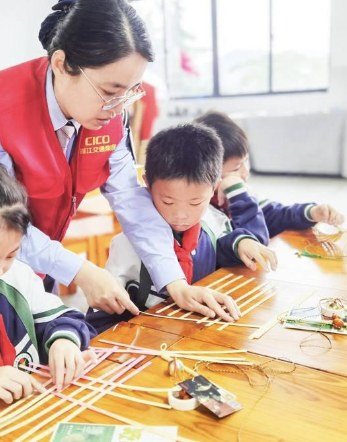
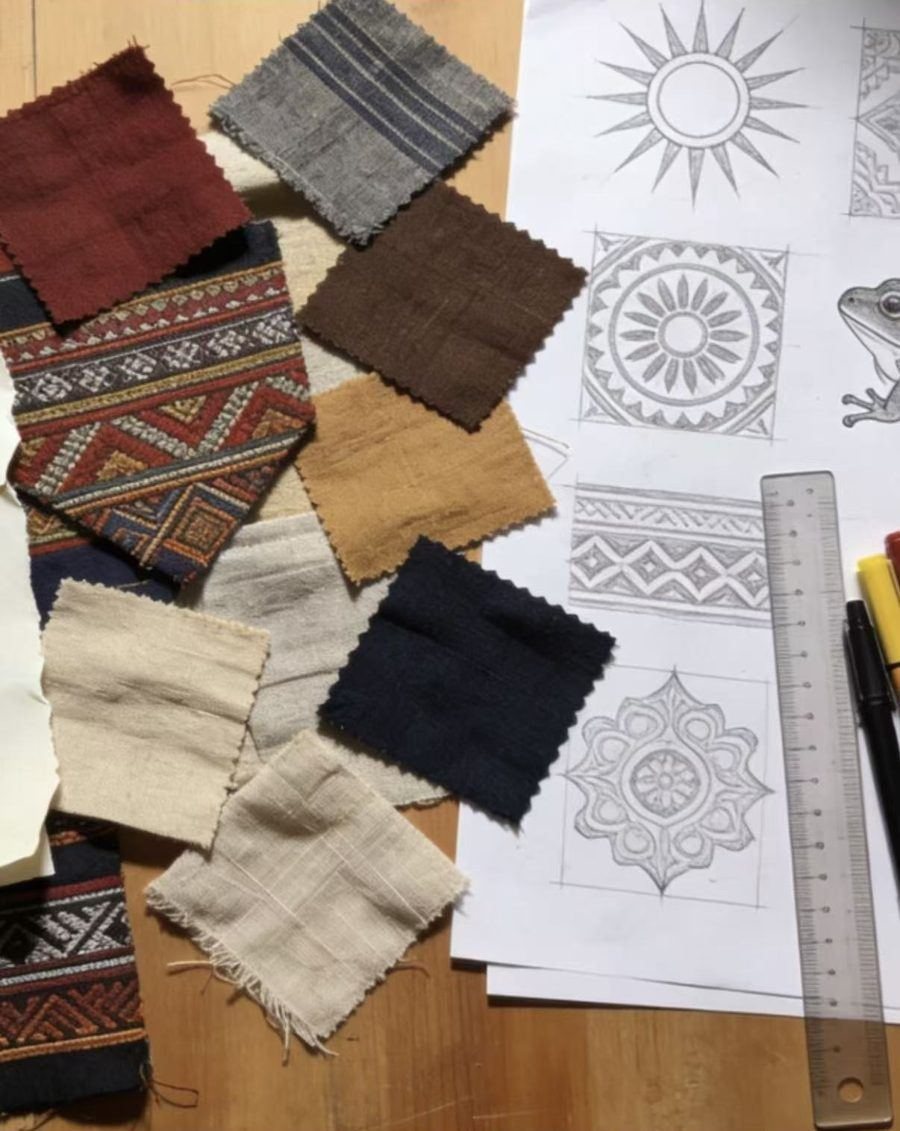
Drawing on XENNI’s Frost-Woven Landscapes salon, students investigate how Zhuang brocade and textile practices from the Americas communicate identity and memory through pattern and making. They compare sources, learn an accessible handcraft technique and develop a small research-led display.
以齐间「霜织山海」雅集为基础,学生研究壮锦与美洲织物传统如何通过纹样与制作传达身份与记忆:比较资料、学习一项易上手的手工技法,并完成一个以研究为基础的小型展示。
Delivery · 实施方式
How the programme runs
- Weekly sessions over 16 weeks; frequency, duration and term dates agreed with each school 每周课程,共 16 周;频率、时长与学期日期与学校商定
- English-led, with Chinese terminology and bilingual learning materials 英文授课,配合中文术语与双语学习材料
- Practitioner workshops and heritage learning kits matched to student ages 实践者工作坊与按年龄适配的非遗学习材料包
- A designated school CCA contact; group size, venue and equipment confirmed together 与学校共同确认 CCA 联系人、人数、场地与设备
Roles & safeguarding · 职责与安全保障
Agreed before day one
- Named instructors with verified credentials 实名导师与经核实的资质
- Background checks and school safeguarding procedures 背景审查与学校安全保护程序
- Risk assessment for tools, materials, visits and installation 工具、材料、外出与布展的风险评估
- Parental consent and photography permissions 家长同意书与拍摄授权
- Insurance, accessibility and emergency processes 保险、无障碍与应急流程
Request a sample syllabus
索取课程大纲样本
Tell us your grade levels and timetable, and we will share a sample lesson and syllabus.
告诉我们年级与课时安排,我们将提供示范课与课程大纲样本。